Kindness is not a decoration for childhood. It is one of the first languages a child learns, long before they can explain fairness, grief, belonging, or responsibility. That is why children’s books on kindness matter so deeply.
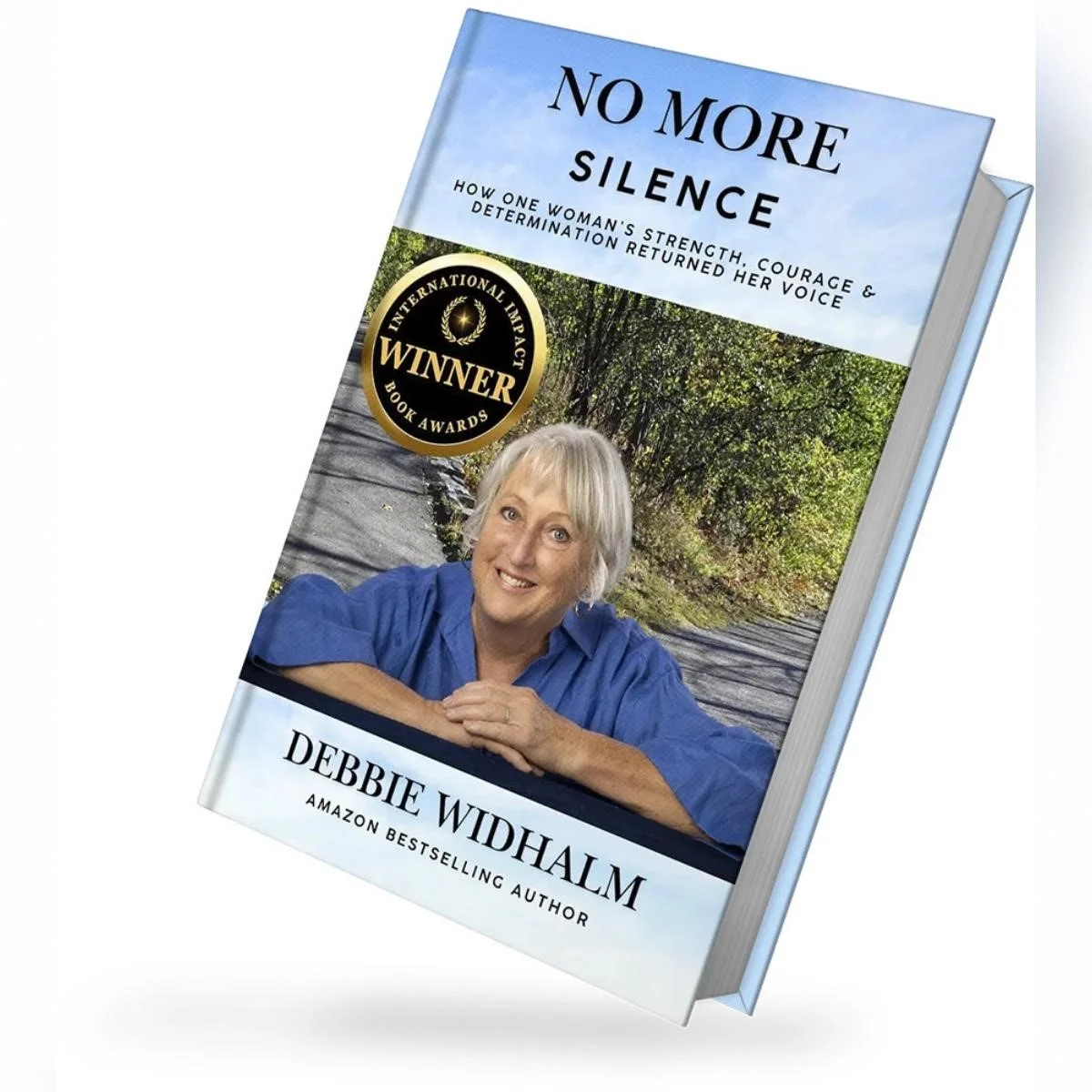
The Story of Tops the Chinese Goose by Debbie Widhalm turns those big ideas into a tender pond-side tale that children can feel. Through Tops, Tia, Harley, migrating geese, and even a grieving coyote, the story shows kindness as action, not manners.
This is a Children’s Fiction book with the heartbeat of a true story. It carries young readers through inclusion, animal care, environmental awareness, loss, and healing without making the lessons feel heavy.
A Pond Where Every Heart Counts
At first, the pond feels magical. There is a fountain, blue sky, Canadian geese flying in formation, beavers building, a blue heron hunting, and two white Chinese geese watching with bright attention.
Tops is unforgettable because he notices everyone. When tired geese arrive from elsewhere, he welcomes them with the grace of someone who understands home is meant to be shared.
This children’s book on kindness describes him as a goose who saw need before difference. That idea gives the book its glow. Children learn that kindness begins when we ask, “Who needs safety, food, rest, friendship, or love?”
Tops Teaches Inclusion Without a Lecture
Many books tell children to be accepting. This story lets them watch acceptance happen. Tops welcomes the Canadian geese, although they look different, sound different, and come from another place.
The geese discover they share what matters most. They all need to:
Eat… Sleep… Swim… Play… Feel safe… Belong… Love.
Readers looking for children’s books on kindness, this book offers a natural bridge into conversations about diversity. It speaks directly to a child’s heart.
- Difference does not cancel friendship.
- Belonging grows when someone makes room.
- Love becomes stronger when it includes more than one kind of voice.
The Sweetness and Weight of Responsibility
Tops and Tia begin life as tiny hatchlings in a feed store, then become Easter pets for Harley. The early chapters are charming, funny, and warm, as the geese bond with their boy.
Yet The Story of Tops the Chinese Goose does something wise. It shows that pets are not toys for a season. They grow, need care, create messes, and depend on people who choose them.
When Harley’s family can no longer manage the geese, Tops and Tia are taken to the pond. The scene is emotional, but it is central for family discussion: love requires planning, patience, and responsibility.
Children may laugh at the messy goose moments, but they will also get to learn something from it, which will help them understand the reason behind the moments. Caring for animals means thinking beyond cuteness. It means honoring a life fully.
When Kindness Meets Courage
At the pond, Tops becomes a guide, protector, and teacher. He directs arriving geese like an air traffic controller and keeps the flock safe.
His courage becomes clearer when Tia is injured by a discarded fishhook and fishing line. Her pain is one of the book’s strongest environmental lessons.
The story helps them understand that small human actions can hurt innocent creatures. Trash left behind is not invisible to the animals who share our world.
This makes the book one of the best children’s books on kindness for families who want compassion beyond people. It teaches care for nature that young readers can remember.
The Environmental Lesson That Stays
A powerful scene happens when Tops calls a meeting under the shade tree. The animals in the store gather to share how hooks, lines, plastic, straws, candy, bottles, and golf balls have harmed their families.
Even the coyote arrives… Everyone is terrified. Then he shares his grief… His pups died after eating fish tangled with fishing line and hooks.
That moment widens the story. The “enemy” has pain too. Children see that empathy sometimes begins when we listen to someone we were afraid to understand.
- Pick up fishing line, hooks, and plastic near the water.
- Never leave candy, bottles, or sharp items outside.
- Remember that parks, ponds, and streets are homes for living creatures.
Grief, Love, and the Beauty of Staying
The book does not hide sadness. Tia loses her foot, struggles to walk, and later dies with Tops beside her. Harley and the geese mourn her together.
This could have become too heavy, but the writing handles grief tenderly. Tops cries for months, and his friends let him cry. No one rushes him. No one shames him.
That is a rare and needed lesson for children. Grief is not weakness. Missing someone is part of loving them. Healing often happens when friends stay close and allow tears.
A line from the manuscript captures this emotional wisdom: “They never judged him for taking too long.” What a gentle gift for any child who has lost a pet, friend, or family member.
Why Families Will Keep Talking After the Last Page
A memorable children’s story does not end when the book closes. It follows the family into dinner conversations, car rides, bedtime questions, and quiet moments.
This story gives parents natural openings.
What does it mean to include someone?
How do we care for animals?
Why should we clean up after ourselves?
What should we do when someone is grieving?
These questions are not forced. They rise from the plot because Tops lives them. He welcomes, protects, mourns, forgives, teaches, and begins again.
That is why the book fits families looking for the best children’s books on kindness and compassion. It gives compassion feathers, a voice, and a memorable white goose at the center.
A Must-Read Because It Makes Kindness Practical
Children often hear, “Be kind.” But what does that actually look like? Tops shows them.
Kindness looks like guiding tired travelers safely home. It looks like standing beside an injured friend. It looks like listening to a coyote’s sorrow. It looks like letting someone cry as long as they need.
The book was written with a clear purpose: to help children and adults choose love on purpose. Its message is not sugary. It is brave, earthy, sometimes funny, sometimes heartbreaking, and always human.
Readers who are seeking children’s books on kindness and inclusion… This book is the best pick, because its story is meaningful. It shows kindness across differences, across species, and even across fear.
The Quiet Magic of the Storytelling
The charm of this book lies in how ordinary the setting feels. A pond, a boy, geese, trash, seasons, danger, and friendship become the stage for life’s biggest lessons.
That simplicity makes the story easy for children to understand. Yet adults will recognize the deeper layers: abandonment, responsibility, prejudice, environmental harm, grief, and the courage to love again.
Debbie Widhalm writes with tenderness that children can handle meaningful stories when those stories are wrapped in care. The result feels honest, warm, and lasting.
Tops is not perfect either. He is frightened, grieving, devoted, and determined. That is what makes him memorable. He is a small creature carrying a grand lesson.
The Goose Who Helps Children See the World Differently
By the final pages, spring returns. Tops hears the beloved raised-pitch honks of the Canadian geese and moves toward the water, ready to guide them in again.
That ending matters. It does not erase loss, but it shows life continuing. Tops carries love forward. He becomes proof that sorrow can soften the heart without closing it.
Families should read this book because it makes kindness visible. It turns compassion into choices a child can copy: welcome others, protect the weak, clean the earth, respect animals, and comfort the grieving.
In a world where children meet differences every day, this story offers a graceful reminder. We all need a pond where we are welcomed. We all need a Tops who sees us and says, in his own bright way, “Come in.”