Some stories do not arrive quietly. They walk in carrying bruises, prayers, losses, miracles, and a voice that has fought hard to be heard. That is why Books on Trauma matter. They give language to the pain that many people hide.
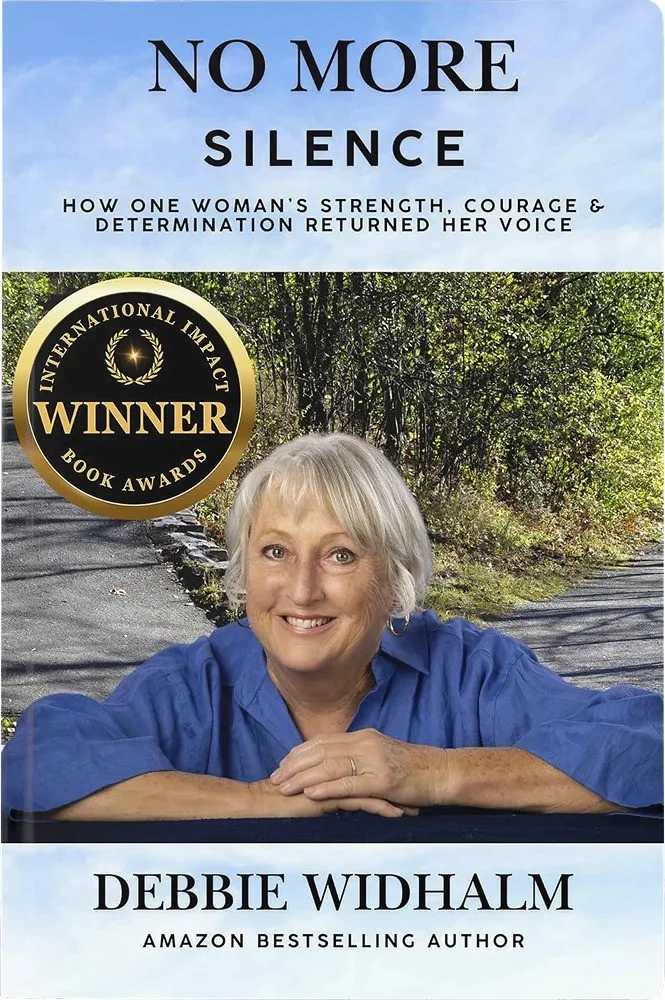
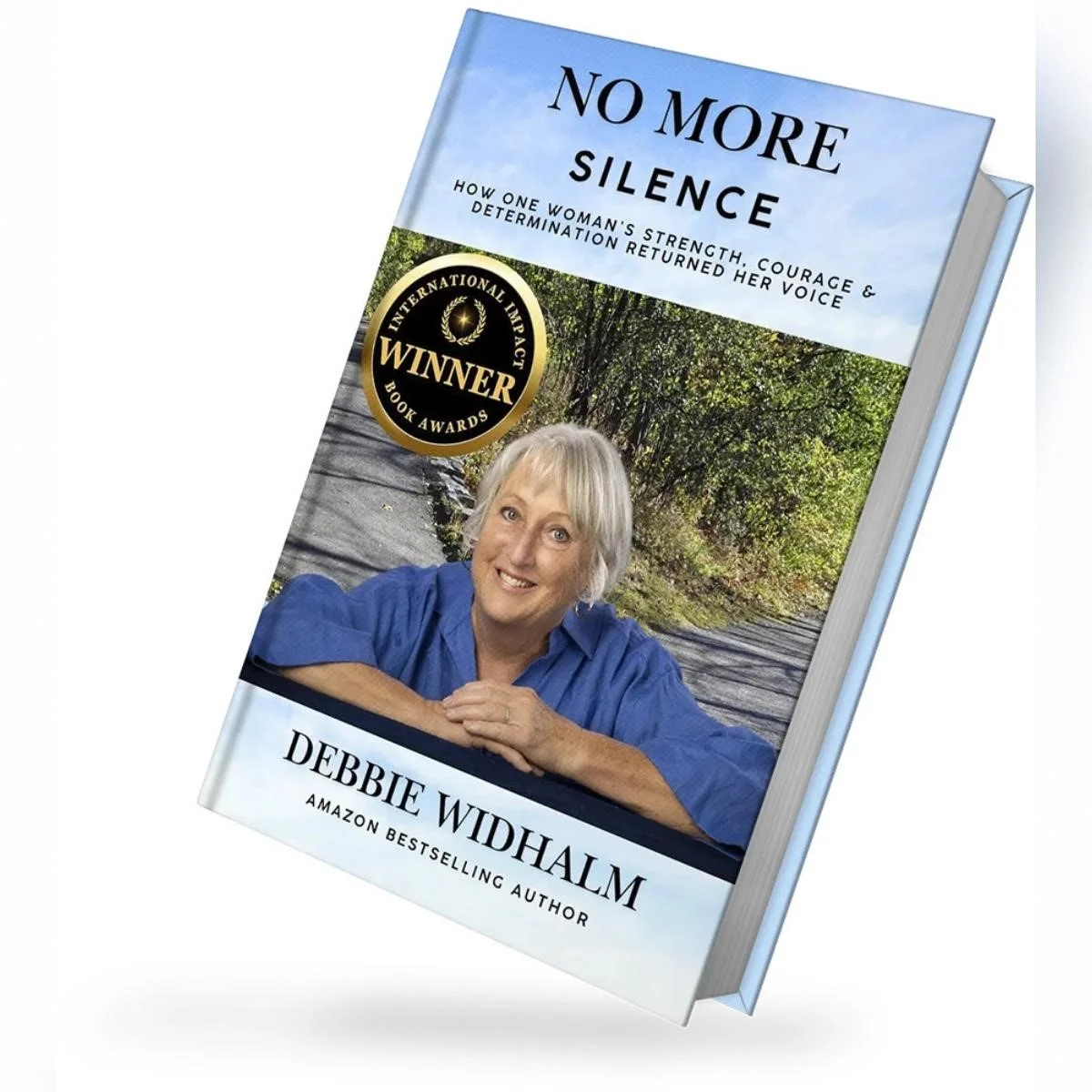
In No More Silence, Debbie Widhalm tells a life story shaped by fear, rejection, motherhood, family wounds, spiritual strength, caregiving, grief, and the long road back to self-trust.
This is not a polished tale of easy recovery. It is a Trauma Memoir that understands healing as something brave, messy, sacred, and human. The beauty of the book is its honesty. It does not cause pain. It walks with it.
A Story That Begins Where Silence Usually Wins
The book opens with a young girl facing pregnancy, shame, judgment, and choices too heavy for her age. She is seventeen, frightened, unfinished, and already learning what it means to stand alone.
Yet one sentence becomes a turning point: “No, I’ll keep him,” In that moment, a young mother begins reaching for a voice others had tried to bury.
That early courage sets the rhythm of the whole book. The reader sees how silence is not always quiet. Sometimes it sounds like obedience. Sometimes it looks like fear. Sometimes it hides behind family rules.
The Soul Jar: A Simple Image for Buried Pain
One of the strongest ideas in the book is Debbie’s “soul jar.” When she is hurt, humiliated, or frightened, she imagines pushing the feeling inside and screwing the lid tight.
That image is painfully familiar. Many people survive by storing what they cannot yet process. They become strong because they have no choice, not because they are untouched.
The book gently shows how buried pain can return later as fear, anger, depression, or exhaustion. It also shows that naming the jar is the first step toward opening it.
Why This Story Feels So Human
Many healing stories focus only on the ending. This one honors the middle: the confusion, the relapse into fear, the loneliness, and the complicated love within families.
Readers may connect with the book because it does not pretend that people are simple. Parents can wound and love. Faith can comfort and challenge. A survivor can be brave and broken in the same breath.
The book moves through:
- teenage motherhood and public shame;
- domestic fear, threats, and emotional isolation;
- caregiving, nursing, loss, and spiritual endurance;
- The difficult return to peace after decades of stress.
These layers keep the story from becoming one-note. It is about trauma, yes, but also about identity, forgiveness, boundaries, and dignity.
The Quiet Power of Faith and Service
Faith is not decorative in this book. It is a lifeline. Debbie Widhalm prays when she is afraid, when she is protecting her child, when she feels guided, and when grief has emptied the room.
Her work as a nurse deepens the story. She learns that healing often hurts before it softens. In caring for burn patients, dying patients, and wounded souls, she sees pain from both sides.
That is why No More Silence feels different from many Books on Trauma. It does not only ask, “What happened?” It asks, “How do we keep loving after what happened?”
From Survival to a Voice That Stands Tall
A beautiful thread in the book is the slow return of self-belief. Author Debbie Widhalm is not suddenly healed. She learns voice in pieces, through motherhood, work, therapy, prayer, and hard conversations.
At one point, after freezing in front of an authority figure, she chooses to look people in the eye and stop giving power to those who once made her feel small.
That moment matters because healing is not always dramatic. Sometimes it is standing straighter. Sometimes it says no. Sometimes it is deciding intimidation no longer owns the room.
What Makes It One of the Best Books on Trauma for Reflective Readers
The best books on trauma do more than describe pain. They help readers recognize patterns, feel less alone, and believe that life can still hold beauty.
This book does that through warmth and plain truth. It speaks to readers who have been silenced by shame, family conflict, abandonment, grief, or the pressure to behave as though nothing happened.
Its most moving lessons include:
- Your voice may be buried, but it is not gone;
- love can be chosen, practiced, and protected;
- healing may require feeling what survival once hid;
- peace can arrive late and still be real.
The book is convincing without feeling like a speech. It lets a life make the argument.
A Book Written for the Ones Still Finding Words
The purpose of this book on trauma is not merely to retell hardship. It is to show how a person can keep choosing love, even after being misread, rejected, threatened, and broken open by grief.
Debbie writes in the prologue that she found her voice after a lifetime of silence and was set free by standing up, speaking out, and doing unpopular things.
That message gives the book its heartbeat. It tells readers that silence may have been a shelter once, but it does not have to remain a home.
Why Skimmers Still Feel the Message
Even someone skimming the book can sense its emotional map. Childhood wounds. Young motherhood. Fear. Faith. Nursing. Love. Loss. Grandmotherhood. Grief. Peace.
Each stage carries a question: What does it cost to stay silent, and what becomes possible when the voice returns?
That is why the book belongs in conversations about books on trauma and healing. It gives readers a story they can follow and a feeling they can keep: the sense that survival is not the end.
Hope Without Pretending Pain Was Beautiful
The book does not call trauma a gift. That matters. It shows that pain can be cruel, unfair, and life-altering. Then it shows how a person may still create tenderness from the wreckage.
Debbie’s later life, especially her movement toward peace, gardening, self-care, and reflection, feels like a soft landing after years of emotional storms.
The hope here is beautifully not loud. It is morning light after a brutal night. It is the breath taken after finally telling the truth.
The Reader’s Takeaway: A Voice Is a Sacred Thing
No More Silence is for readers who want more than a sad story. It is for those looking for books on overcoming trauma and finding hope without losing the complexity of real life.
It reminds us that a voice can be stolen slowly, through judgment, control, fear, or rejection. It also reminds us that a voice can return slowly, through courage, faith, love, therapy, boundaries, and truth.
By the final pages, the title feels earned. Silence has not disappeared because life has not become easy. Silence has been broken because one woman decided her story mattered.
It also respects the reader’s intelligence. The book never asks us to pity the narrator. It asks us to witness her. That difference is important. Witnessing creates connection, and connection is often where healing begins. For anyone who has ever swallowed words to keep peace, the story feels like a hand on the shoulder.
It is tender without being fragile, graceful without being distant, and brave without pretending bravery never trembles. That balance gives the blog’s subject its emotional shimmer. Its honesty stays with the reader afterward.
And perhaps that is the loveliest promise of the book: the reader closes it knowing that their own story, however heavy, may still contain a voice waiting to rise.